
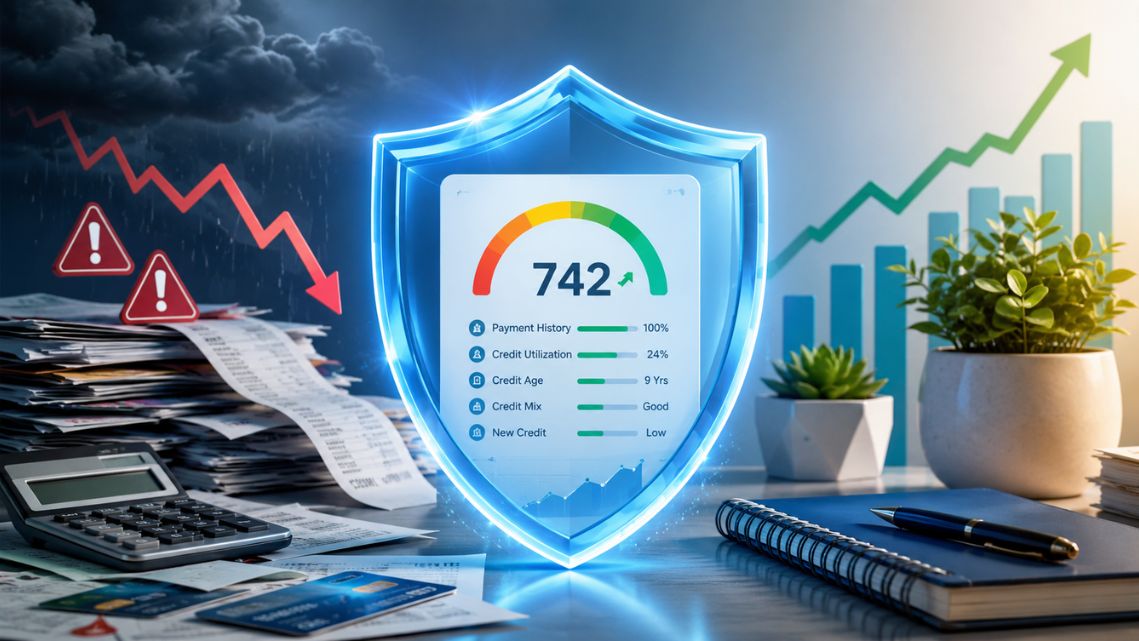
What a Financial Crisis Does to Your Credit
Step 1: Contact Your Creditors Before You Miss a Payment
Step 2: Protect Your Credit by Prioritizing Payments
When there is not enough money to pay every bill, you have to triage. The priority order that does the least credit damage goes like this:
- Mortgage or rent first (foreclosure and eviction have long-lasting consequences beyond credit)
- Auto loan if your vehicle is needed for work
- Credit cards and revolving accounts
- Medical bills and utility arrears last (these typically do not appear on credit reports unless they go to collections)
Paying strategically means fewer accounts go delinquent and your credit takes less damage overall. Even paying the minimum on a credit card is enough to keep it from being reported as late.
Step 3: Know Your Rights Under Federal Law
Step 4: Avoid the Mistakes That Cause the Most Credit Damage
Closing credit card accounts. This reduces your total available credit and increases your utilization ratio, which can lower your score even if you are not carrying a balance.
Opening multiple new accounts at once. Each application triggers a hard inquiry. Multiple inquiries in a short window signal risk to lenders.
Ignoring accounts entirely. Accounts that go 90 or more days past due cause far more damage than those that are 30 days late. Staying in communication with your creditors prevents accounts from reaching that point.
Believing common myths about what helps. A lot of well-meaning but inaccurate advice circulates during financial hardship. Our breakdown of the 10 myths of credit repair clears up the most harmful ones so you do not waste time on strategies that backfire.
Step 5: Keep Your Oldest Accounts Open
Step 6: Monitor All Three Credit Reports Closely
Step 7: Use Hardship Programs Before They Run Out
Step 8: Protect Your Credit With Strategic Debt Management
Step 9: Plan Your Recovery Before the Crisis Ends
Most people wait until the crisis is over before they think about credit recovery. Those who plan ahead move significantly faster. As your financial situation stabilizes, shift your focus toward:
- Bringing any remaining past-due accounts current
- Disputing any inaccurate items that accumulated during the crisis
- Adding new positive accounts to rebuild your utilization picture
- Building an emergency fund to prevent the next disruption from causing the same damage
Our full collection of credit facts gives you a solid foundation of accurate information to guide your recovery strategy.